
Still working away on detailing the loco body, while awaiting the lubricators I decided to fit the handrails Oridinarily I would fit the hand rails last but with LMS engines having small finials on each end of the hand rails I thought it prudent to do them before paint so that when I fit and file them back I don’t damage the paint work.
I started with the smoke box door and fitted both the handrail and the lamp iron.
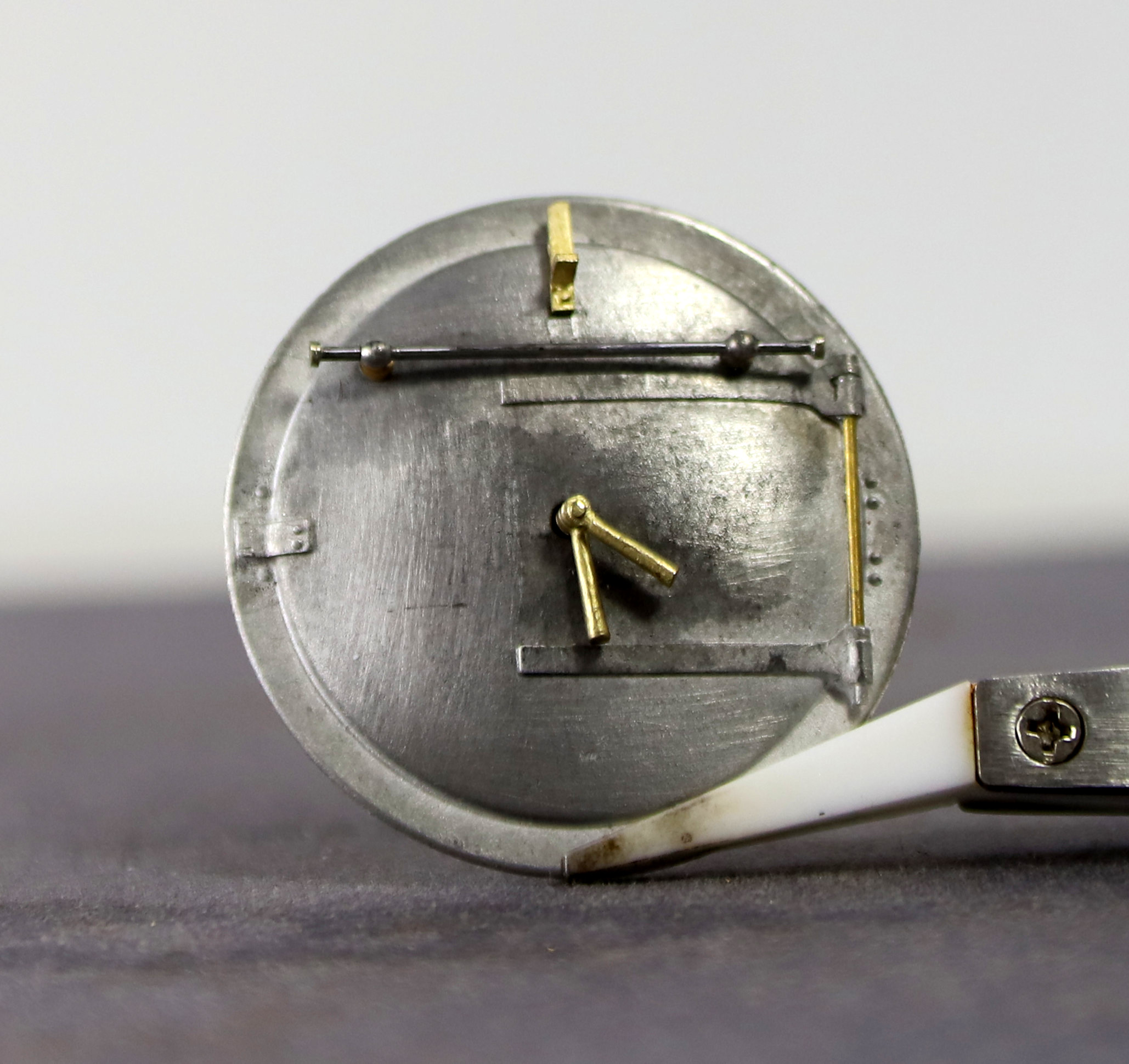
The finials (or whatever they’re actually called) are made from 1.4mm nickel rod drilled out .8mm to accept the 0.8mm piano wire which I use for the handrails. They are soldered on to one end of the hand rail and filed back to size the handrail is then fed through the handrail knobs via the cab and having cut the piano wire to length the second finial is soldered on and again carefully filed back.
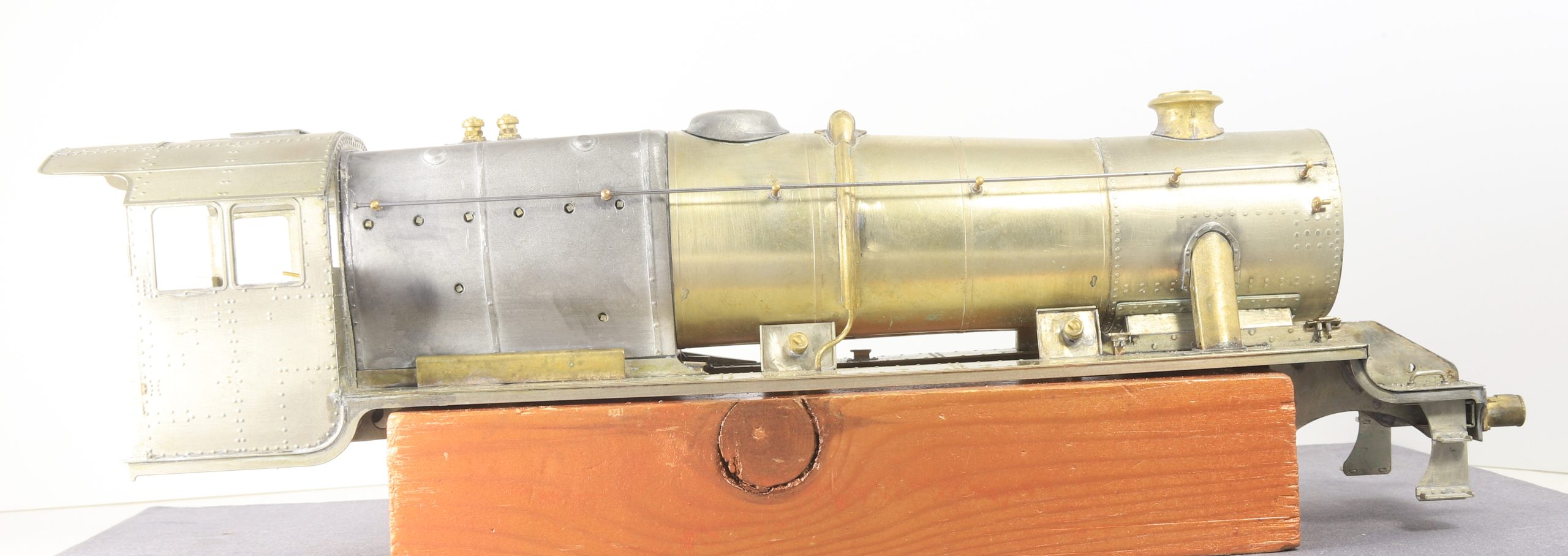
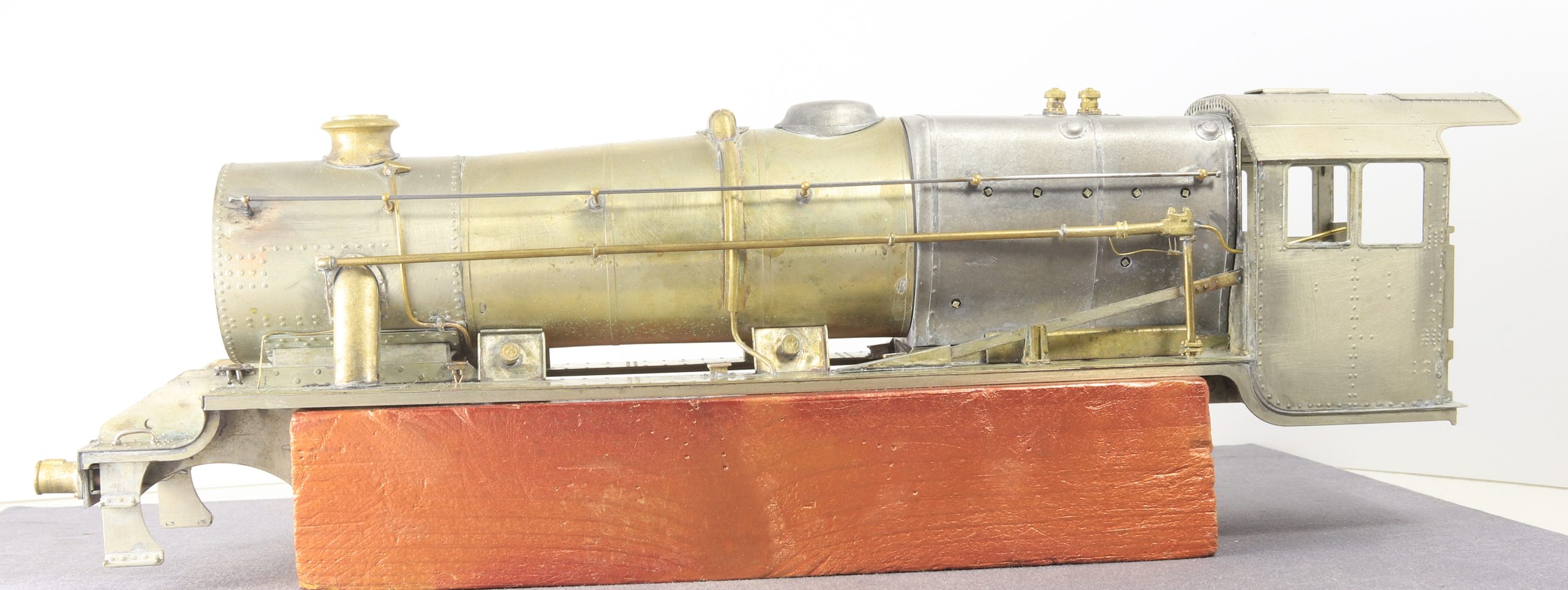
From the photo it looks like the left hand, handrail rises up slightly at the front. I had to resolder this end knob in as it has loosened during fitting. So I will revisit it to make sure that’s it’s aligned better.
Finally yesterday I made and fitted the two small grab rails on the dropped section of footplate.
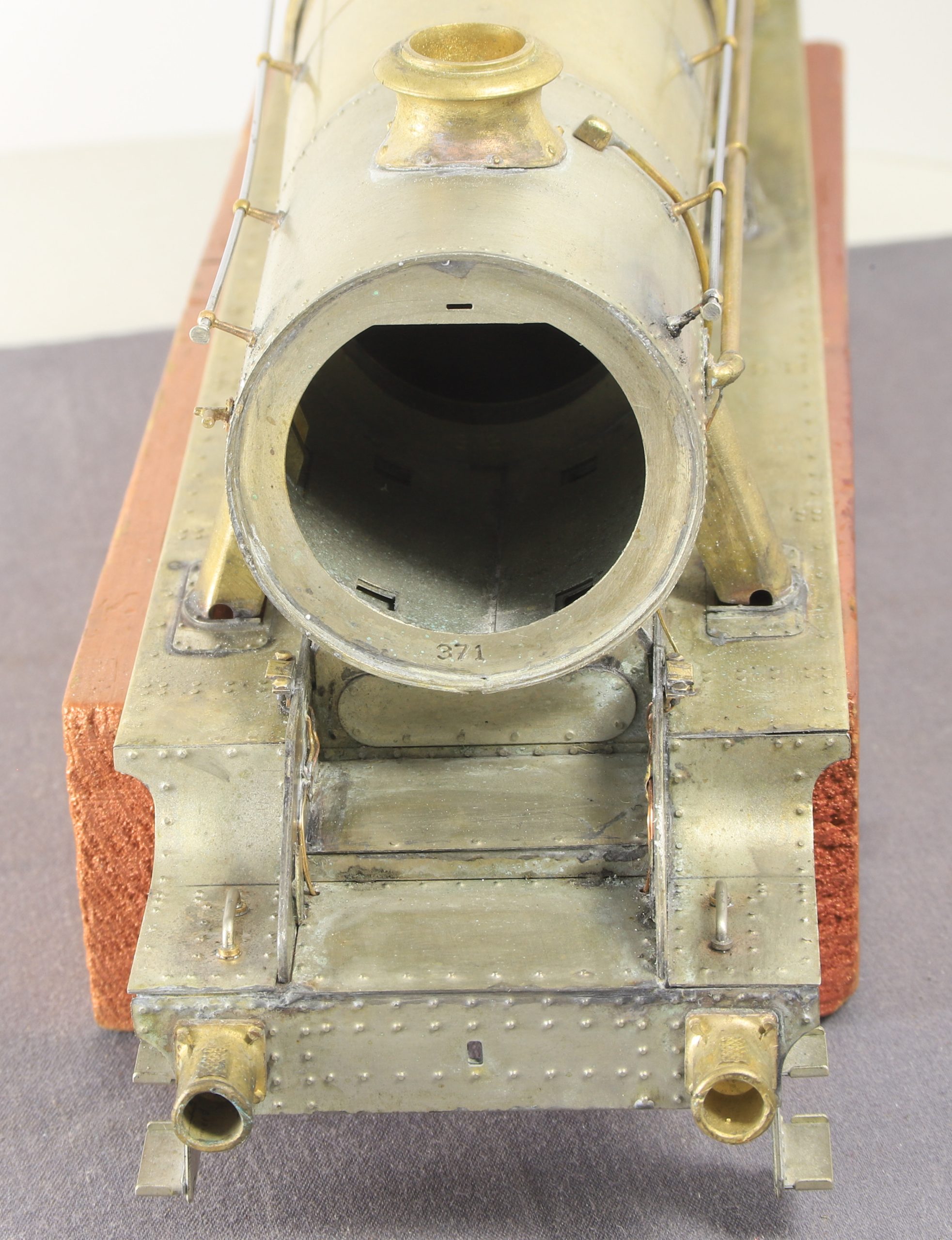
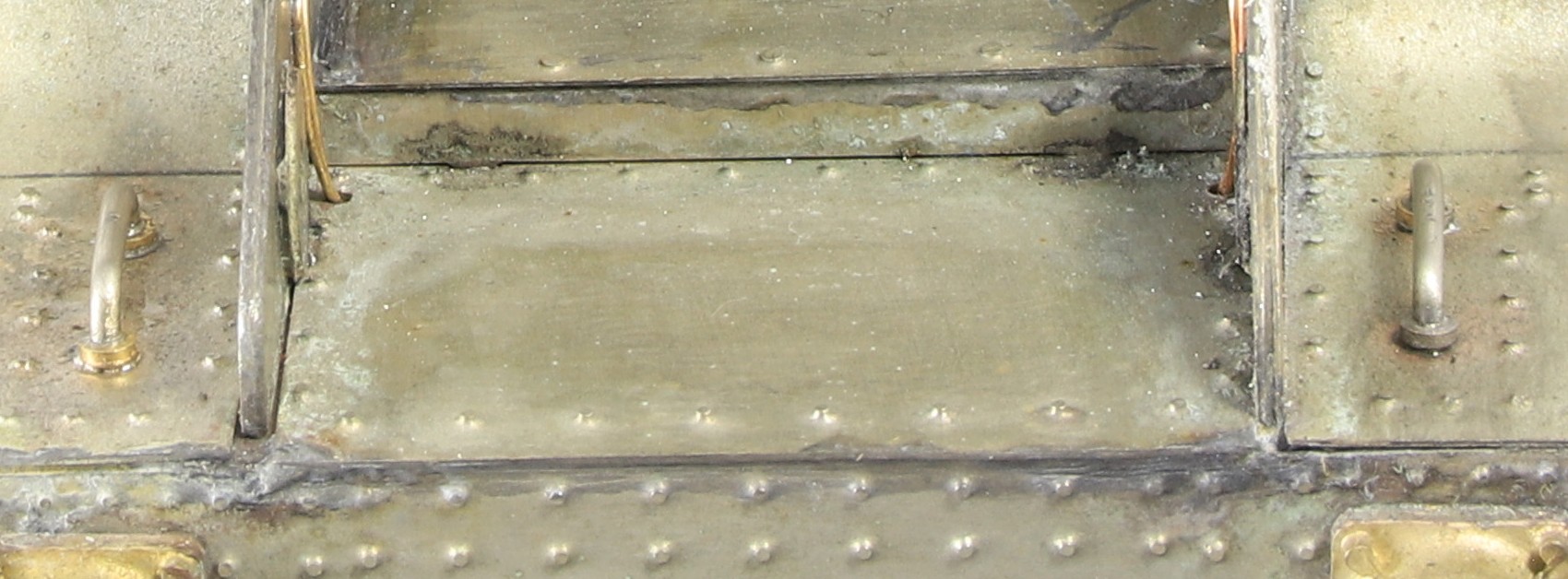
In some of the photo that I have these grab handles have small washers around the base of the rods. These were turned from 1.6mm rod drilled to accept the rod and parted off at 0.5mm thickness
As and aside, due to the lack of rigidity in something as small as 1.6mm a normal 1/8″ or thinner metric 2mm parting tool still exerts a lot of tool pressure meaning that the work piece is more likely to bend than part of. To get around this I ground up a very thin parting tool which is excellent for parting thinner material.
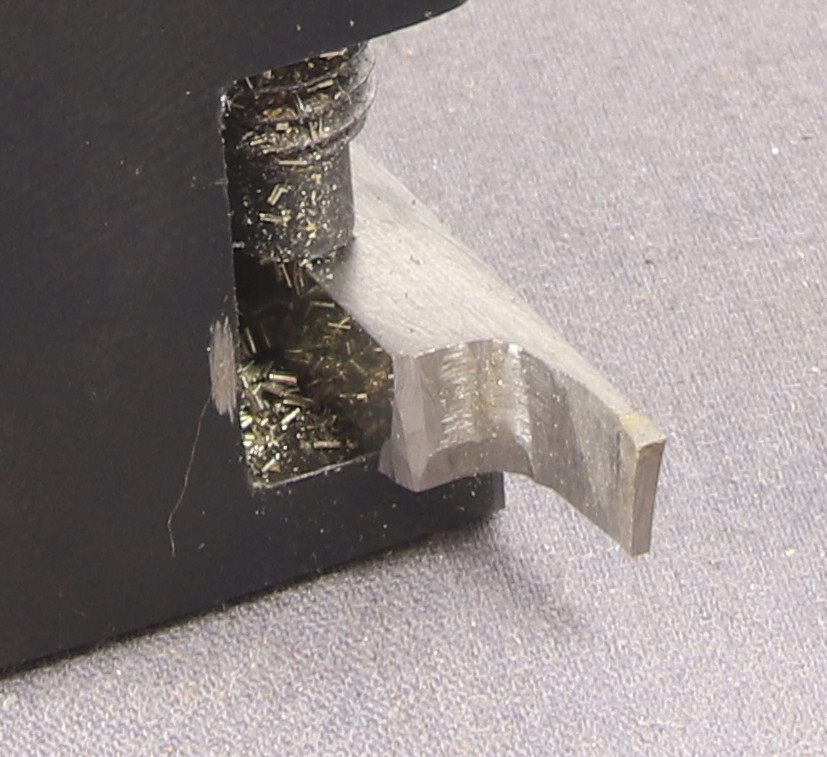
The cutting tip of the tool is only 0.8mm thick so tool pressure is greatly reduced

I also ground it to the left hand side of the tool meaning that I can get very close to the chuck which reduces stick out and increases rigidity.